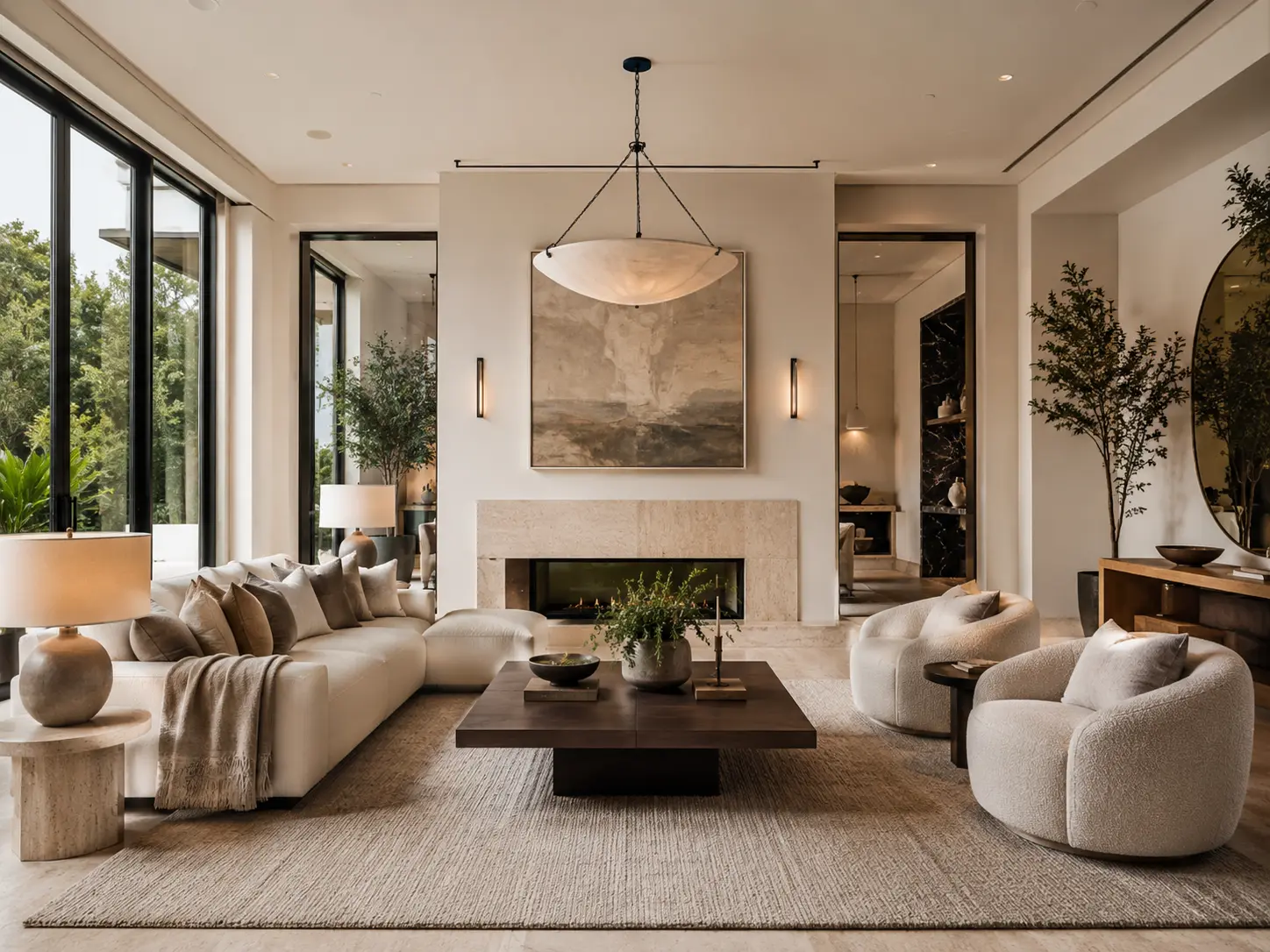
The most memorable interiors are rarely the result of a single statement piece or a single bold color choice. They are built, layer by layer, through a thoughtful combination of textures, tones, and light that work together to create depth, warmth, and character. This intentional approach — known as layering in interior design — is what separates a flat, one-dimensional space from a room that feels rich, inviting, and fully resolved.
Interior Design layering is not about adding more for the sake of more. It is a disciplined technique used by designers to build dimension within a space, allowing materials, colors, and lighting to interact in a way that feels curated rather than accidental. Done well, layering in design gives a home its sense of depth and personality while still maintaining balance and cohesion.
In this guide, we'll break down what layering in interior design actually means, why it matters, and how to apply it successfully across textures, colors, and lighting to elevate any room in your home.
Interior design layering refers to the practice of combining multiple elements — textures, materials, colors, and light sources — within a single space to create visual depth and a sense of richness. Rather than relying on one dominant feature to define a room, layering builds interest gradually through contrast, repetition, and thoughtful pairing.
A well-layered room draws the eye across different surfaces and finishes, creating a natural rhythm that feels intentional at every turn. This is what gives high-end interiors their signature sense of depth — spaces that feel complete, considered, and undeniably livable.
At its core, layering interior design is about restraint paired with intention. Every texture, color, and light source should serve a purpose, working together rather than competing for attention.
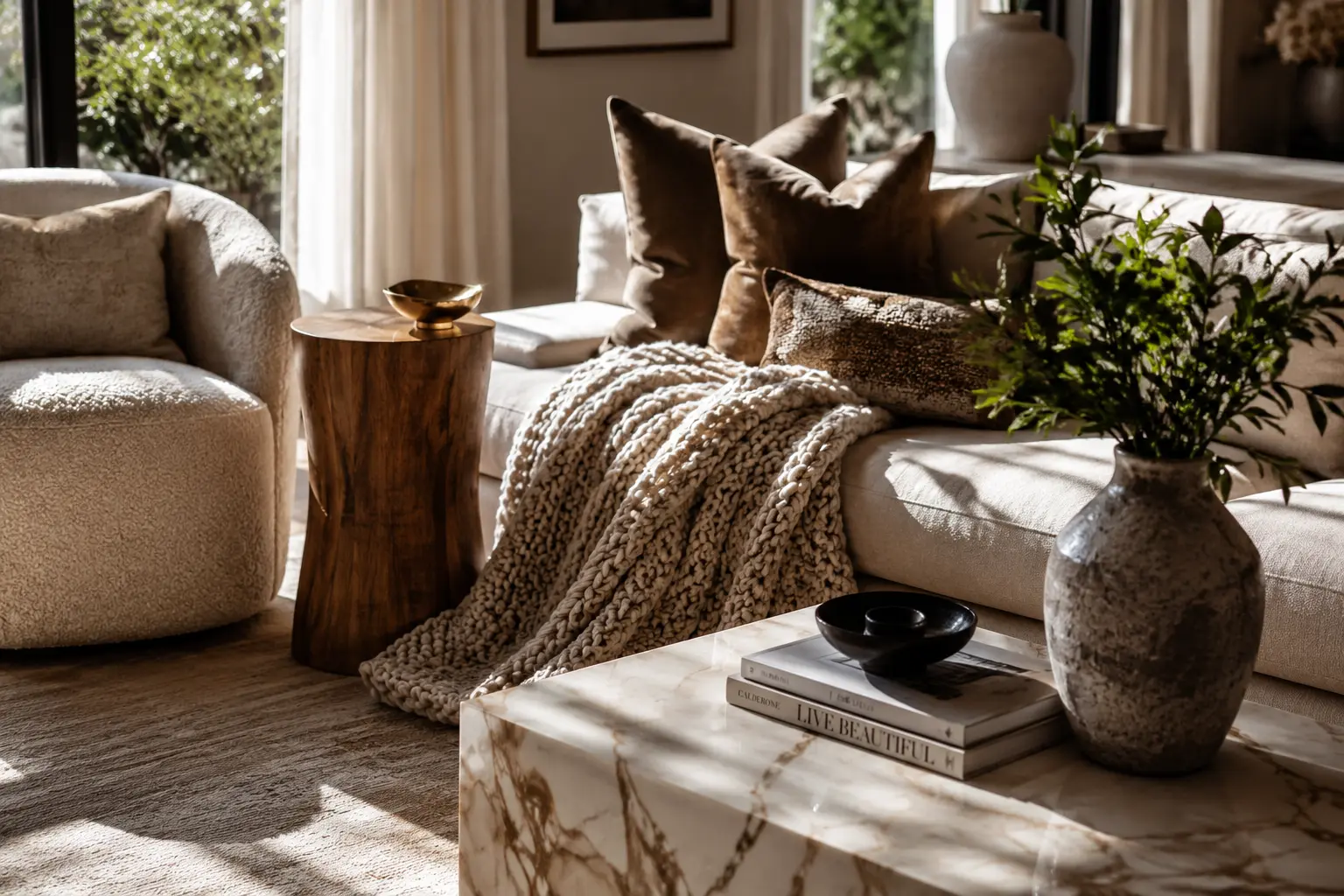
Texture is often the most overlooked element in design, yet it plays one of the most important roles in how a space feels. Layering interior design through texture means combining a variety of tactile surfaces — soft, hard, matte, and reflective — within the same room to create contrast and dimension.
A room built entirely from smooth, matching surfaces can feel flat, no matter how beautiful the individual pieces are. Introducing a mix of materials changes that entirely. Think of a bouclé armchair paired with a natural jute rug, a linen sofa layered with a chunky wool throw, or a smooth marble tabletop set against the texture of a woven rattan chair.
Common materials used to build texture in layered interiors include:
The goal is contrast without chaos. Two or three textures within a room typically create enough variation to feel layered, while too many competing surfaces can quickly tip into visual clutter.
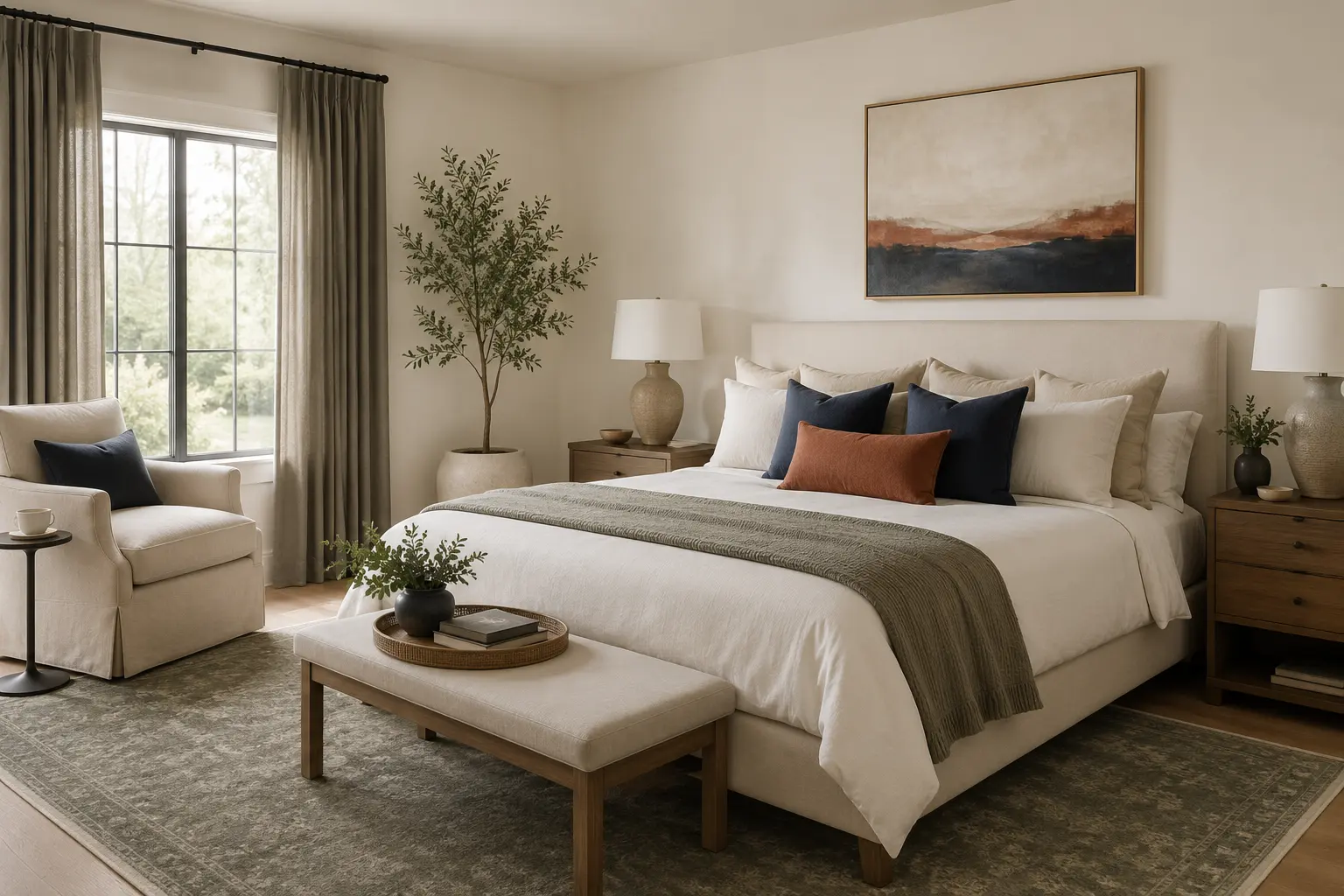
Color is rarely used in isolation in a well-designed space. Layering interior design through color means building a palette in tonal stages — a base, a secondary tone, and an accent — so the room feels cohesive without becoming monotonous.
The base layer typically consists of a neutral or muted foundation, often found in walls, large furniture pieces, and flooring. The secondary layer introduces a complementary tone through rugs, drapery, or upholstery, adding subtle depth without overwhelming the room. The accent layer is where personality comes through — smaller doses of color in artwork, pillows, or decorative objects that draw the eye and add energy.
This tonal layering approach allows a room to feel rich and dimensional even when working within a fairly restrained color story. A living room built around warm ivory and soft taupe, for example, can feel entirely different depending on whether the accent layer leans toward deep emerald, warm terracotta, or muted navy.
The key to successful color layering is maintaining a consistent undertone throughout the palette, whether warm or cool, so that even contrasting colors feel like they belong together.
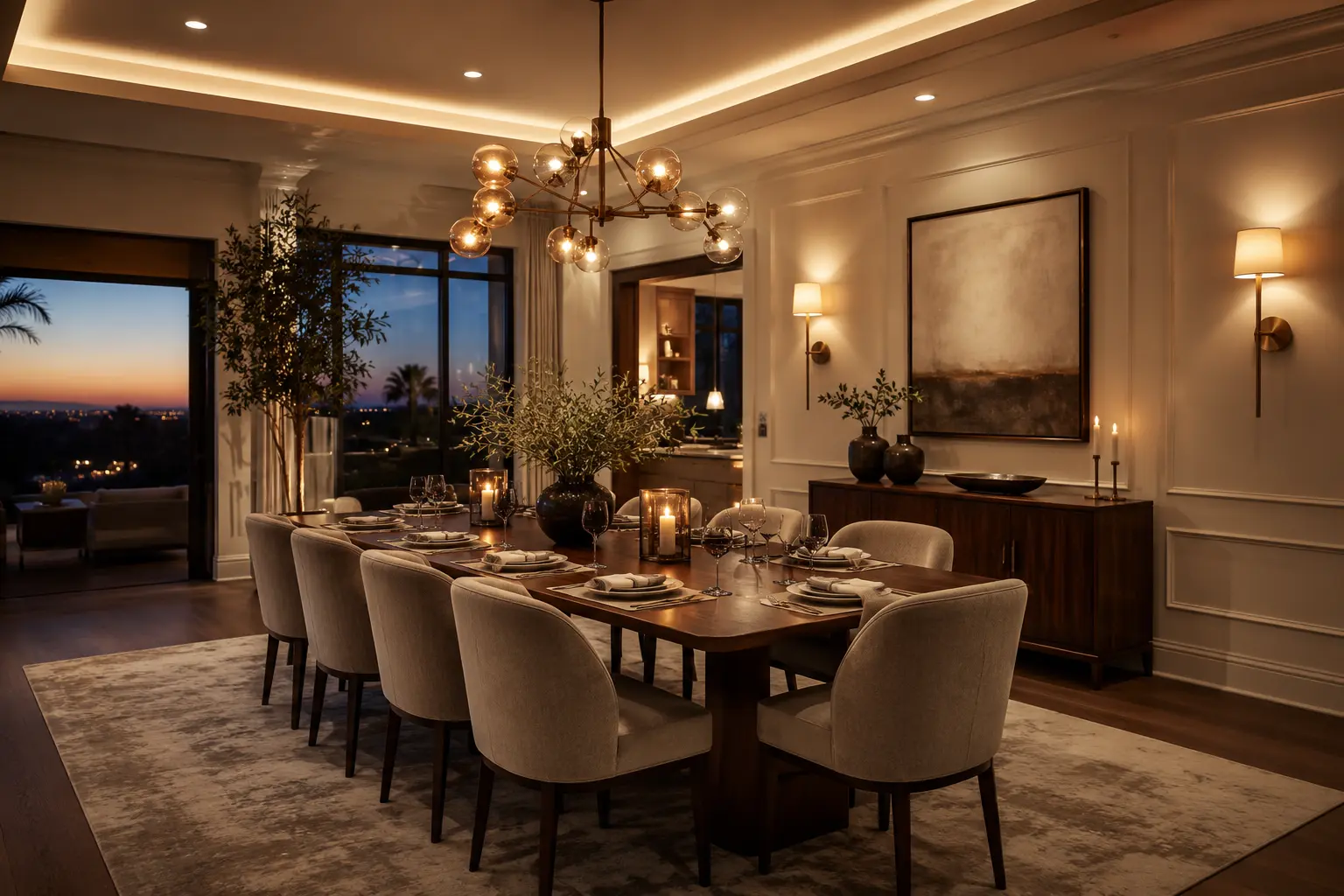
Lighting is the layer that brings every other element in the room to life, yet it is frequently treated as an afterthought. Layering interior design through lighting means combining several types of light sources — rather than relying on a single overhead fixture — to create depth, mood, and functionality throughout the day.
There are three primary layers of lighting to consider:
Ambient lighting provides the overall illumination for a room, typically through ceiling fixtures, recessed lighting, or natural daylight.
Task lighting supports specific activities, such as reading lamps, under-cabinet kitchen lighting, or vanity fixtures.
Accent lighting highlights architectural details, artwork, or focal points, often through wall sconces, picture lights, or directional fixtures.
When these three layers work together, a room gains the flexibility to shift mood throughout the day — bright and functional in the morning, warm and ambient in the evening. A space lit by a single source, no matter how well-designed the fixture, will always feel flatter and less dynamic than one built with layered lighting in mind.
Find out more: Luxury Office Interior Design Ideas for Ultimate Style
A room without layering can look put-together on the surface, but it often lacks the depth that makes a space feel genuinely finished. Layering interior design is what transforms a collection of nice furniture and finishes into an interior that feels intentional, dimensional, and alive.
Layered spaces also tend to age more gracefully. Because the foundation is built on tonal and textural variation rather than a single trend-driven statement, layered interiors are easier to refresh over time — a new throw pillow, a different accent light, or a seasonal textile swap can update the feel of a room without requiring a full redesign.
Perhaps most importantly, layering interior design creates spaces that feel comfortable to live in. The interplay of texture, color, and light mimics the natural variation found in the world around us, which is part of why layered rooms tend to feel calming and grounded rather than sterile or staged.
Begin with your base layer — the large-scale elements like walls, flooring, and major furniture pieces — and choose a neutral or muted foundation that can support color and tonal variation without becoming busy.
From there, introduce texture deliberately. Choose two or three materials that offer genuine contrast, such as a smooth surface paired with something woven or nubby, and resist the urge to match everything too closely.
Build your color story in stages, moving from base to secondary to accent, and keep the undertone consistent throughout so the palette feels unified even as the colors shift.
Finally, layer your lighting last. Assess each room for its ambient, task, and accent needs, and add fixtures accordingly rather than relying on a single ceiling light to do all the work.
The result of this layered approach is a space that feels considered at every level — one where texture invites touch, color adds depth, and lighting shapes the mood of the room throughout the day.
Layering interior design is a skill that takes a thoughtful eye to execute well. It requires balancing contrast with cohesion, and knowing when a space has enough dimension versus when it has crossed into clutter.
At Tower Design, we build interiors around this layered approach — combining curated textures, tonal color palettes, and considered lighting design to create spaces that feel rich, dimensional, and deeply livable. Whether you're working on a single room refresh or a full home design, our team brings the same attention to layering that defines every project we take on.
Ready to Bring Depth and Dimension to Your Home?
Connect with Tower Design to schedule a private design consultation and discover how thoughtful layering can transform the feel of your space.
Layering in interior design refers to combining multiple textures, colors, and light sources within a space to create depth, dimension, and visual interest, rather than relying on a single dominant element.
Layering interior design creates spaces that feel finished, dimensional, and comfortable to live in. It adds richness and personality to a room while allowing the space to evolve easily over time.
Interior design layering through texture involves combining a mix of materials — such as natural fibers, soft textiles, wood, stone, and metal — to create contrast without overwhelming the space. Two or three complementary textures per room is typically ideal.
Effective lighting layers combine ambient, task, and accent lighting throughout a room, allowing the space to adapt in mood and function from morning to evening.
Yes. Neutral palettes are especially well-suited to layering in design because they provide a calm foundation that allows texture and tonal variation to stand out without competing for attention.
Interior designers understand how color, texture, lighting, scale, and materials interact within a space. They create cohesive interiors by carefully balancing these elements, resulting in homes that feel timeless, functional, and uniquely tailored to each homeowner.