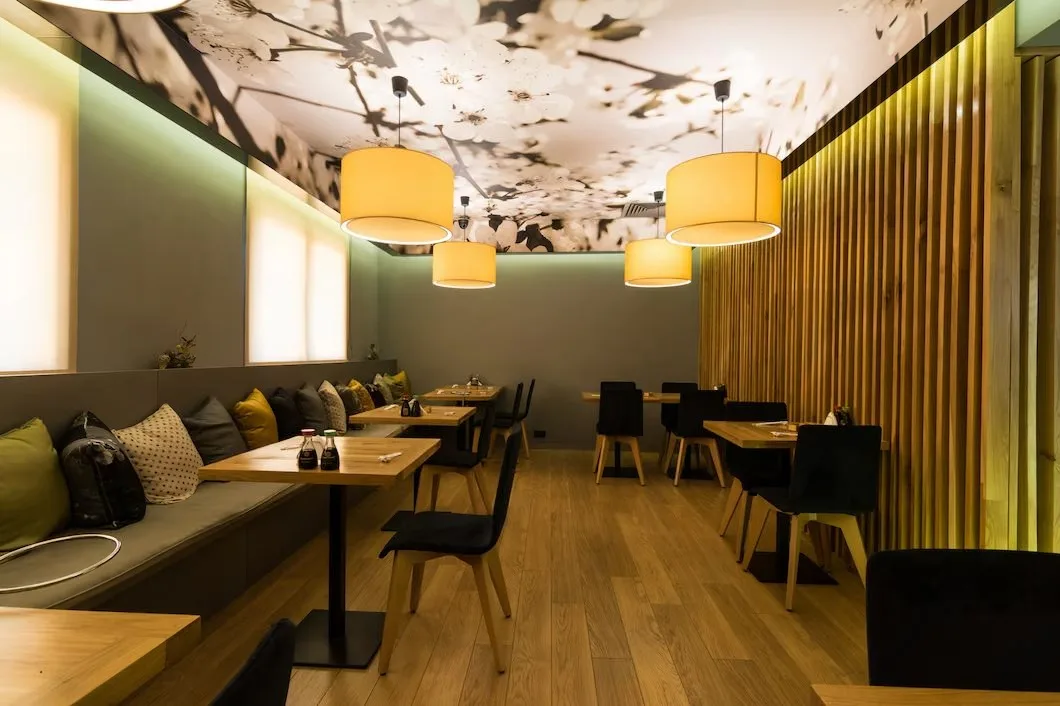
The design of a restaurant is more than just an aesthetic choice—it's a strategic decision that influences how guests feel, behave, and remember your brand. Whether you're launching a new venue or revamping an old favorite, your restaurant interior design choices influence customer experience, brand perception, and even how much people spend.
But does it really have that big of an effect? To find out, we analyzed trends, customer psychology, and examples from successful restaurants.
Here’s what we discovered about restaurant interior design ideas that not only elevate your space but also help you stand out in a competitive market.
Your restaurant’s theme is the foundation of your design strategy. Start by choosing a concept that reflects your cuisine and brand identity. Whether it’s industrial chic, rustic farm-to-table, tropical, vintage diner, or art deco luxury, the theme should be consistent across every element—furniture, lighting, uniforms, and menus. A cohesive theme helps establish an immersive experience for your guests.
The entrance is your first impression—it should be inviting, aligned with your branding, and photo-worthy. A compelling sign, curated lighting, and greenery can immediately signal what kind of dining experience guests can expect. If you have space, consider a cozy seating area for waiting guests or a visual feature like a sculpture or mural to welcome them in.
Lighting affects everything from the mood to the way your food looks. Use ambient lighting to set the tone of the space, task lighting at tables for functionality, and accent lighting to highlight art or architectural details. Warm lighting can create an intimate atmosphere, while cooler tones work well for fast-casual or day-focused spaces. Balance practicality and ambiance to ensure both staff and diners have what they need.
In the age of social media, restaurants double as backdrops for content creation. Design one or more focal points that encourage photography, such as a neon quote wall, dramatic floral arrangement, or custom mural. Choose elements that align with your brand personality and are placed in well-lit areas to boost shareability on platforms like Instagram and TikTok.
Plants add vibrancy, soften harsh lines, and create a relaxed, natural ambiance. Consider indoor trees, hanging planters, vertical gardens, or fresh herbs growing in window boxes. Beyond aesthetics, greenery supports air quality and gives guests a sense of calm. Even budget-conscious spaces can use affordable potted plants to enhance their décor.
Highlighting local artists on your walls not only adds culture and uniqueness to your space, but also strengthens community ties. Rotate exhibits regularly to keep the environment dynamic. You can even partner with artists for special events, themed menus, or gallery nights. This approach brings mutual promotion while elevating the visual interest of your dining room.
Today’s diners appreciate transparency and craftsmanship. Show off your kitchen or bar area by making it a central feature. Open kitchens, chef counters, visible cocktail stations, or even pizza ovens can turn cooking into entertainment. This enhances engagement and shows confidence in your culinary team’s skill.
Mirrors are a clever trick to make smaller restaurants feel larger and brighter. Strategically placed, they can reflect light and create a sense of openness. Whether you choose a statement mirror wall or a set of antique pieces, mirrors enhance both spatial perception and design sophistication.
Typography can do more than communicate—it can be part of your visual identity. Use handwritten chalkboard menus, bold typographic murals, or stylish signage to reflect your tone of voice. Incorporate your restaurant’s tagline or values into the decor to create a memorable impression and reinforce your messaging.
If your restaurant is located in a historic or culturally rich area, use that as part of your design narrative. Incorporate old photos, salvaged materials, or architectural remnants to connect the past with the present. This creates a sense of authenticity and offers guests a story to tell.
While walls often get the most attention, floors and ceilings are underutilized opportunities. Use patterned tiles, painted wood, or mosaic flooring to add personality underfoot. For ceilings, think beams, suspended lighting fixtures, or ceiling art to make guests look up and admire.
Break away from the traditional table-and-chair setup. Mix up your seating with booths, bar stools, cushioned benches, communal tables, or even swing chairs for an unconventional twist. Just ensure comfort and accessibility are prioritized, especially during peak hours.
Don’t overlook the design of individual tables. Branded coasters, minimalistic salt and pepper shakers, artisanal cutlery, and seasonal centerpieces elevate the guest experience. Tablescapes should match your overall theme without cluttering the dining space.
An efficient layout reduces congestion and enhances guest satisfaction. Map out your space to allow for easy movement of staff and diners, with clear pathways to restrooms, the kitchen, and exits. Avoid cramming too many tables and leave breathing space between seating zones.
Minimalist designs appeal to modern sensibilities and keep focus on the food. Neutral colors, clean lines, and functional furniture can make your restaurant feel elegant and calm. This style also reduces visual noise, creating a serene dining atmosphere that can appeal to a wide range of customers.
Experiment with international influences to create a unique look. Moroccan tiles, Japanese zen principles, Parisian bistro elements, or Mediterranean colors can give your space a global yet curated feel. Make sure it complements your cuisine and isn't culturally appropriative.
Technology is increasingly part of the dining experience. Use QR code menus, sleek POS terminals, or interactive screens thoughtfully so they blend with your design. Even speakers and lighting systems should be integrated without being intrusive.
Outdoor seating is a huge draw—especially post-pandemic. Invest in durable but stylish furniture, weatherproof decor, heaters, and string lighting. Use hedges or planters for natural barriers and privacy. Create an ambiance that matches your indoor experience for a seamless extension.
Your design should support transitions from morning coffee to evening cocktails. Use dimmable lighting, movable furniture, and modular design elements that allow flexibility. Seasonal adjustments in decor also keep the space fresh for returning guests.
Sound plays a crucial role in the dining experience. Avoid overly noisy spaces by using soft materials like fabric panels, curtains, and upholstery. Strategic layout, dividers, and acoustic ceiling tiles help manage sound levels so guests can enjoy conversations without strain.
First impressions matter. According to research, visual cues influence up to 90% of first impressions, and color alone affects nearly 85% of purchasing decisions. Your restaurant's layout, lighting, colors, furniture, and decor all send subtle signals that tell guests what to expect.
The best restaurant interior design ideas:
With that in mind, let’s dive into the best restaurant interior design ideas for every style, budget, and space.
People don’t just see your design—they feel it. Every design choice sends subtle cues that influence how guests feel, behave, and spend. By understanding these triggers, you can create a space that feels inviting while guiding customer behavior in ways that increase satisfaction and revenue.
Warm, dim lighting encourages guests to linger, order more drinks, and enjoy relaxed conversations, while bright, cool lighting can increase table turnover. Restaurants like Candle 79 in NYC use soft amber lighting to create intimacy, while fast-casual spots opt for brighter spaces to keep service quick.
Reds and yellows can stimulate appetite and energy, which is why they’re common in fast-food branding. Blues and greens evoke calm and leisure — perfect for fine dining or coastal-themed spaces. Accent colors can also highlight brand personality.
A cramped dining room or poorly planned seating frustrates guests and slows service. An efficient layout ensures servers move easily between tables and diners feel they have enough personal space.
One Cornell University study found that soft music and warm lighting led diners to consume 18% less food but rate the experience more positively. Acoustic design — from upholstered seating to ceiling baffles — helps keep noise levels pleasant.
Decor and materials that connect to your brand’s story or local culture can make guests feel emotionally invested. From reclaimed wood tables in a farm-to-table restaurant to murals that depict neighborhood history, storytelling adds depth to the dining experience.
Even high-budget restaurants make errors that hurt the guest experience:
Case in Point: A 2023 review of 200 NYC restaurant closures found that poor atmosphere was mentioned as a top factor in over 15% of customer complaints.
Restaurant interior design is not just about decor—it's about storytelling, strategy, and creating memorable experiences. Whether you're working with a large budget or small, the best restaurant interior design ideas balance form and function while reinforcing your brand identity.
At Tower Design, a full-service interior design firm, we create spaces that attract more customers, strengthen your brand, and increase revenue through our interior design services. Let’s transform your vision into a restaurant people can’t stop talking about — book your personalized consultation today.
Interior design sets the mood, influences how customers feel and behave, and enhances your brand identity. A well-designed restaurant can increase customer satisfaction, social media visibility, and even sales.
The key elements include lighting, layout, color palette, furniture, acoustics, and decor. Together, these shape the ambiance, comfort, and overall dining experience.
Start by aligning your theme with your cuisine, target audience, and brand story. For example, a farm-to-table restaurant might use rustic wood textures, while a sushi bar could feature minimalistic, zen-inspired elements.
Lighting sets the tone—warm, dim lights create intimacy for fine dining, while bright, natural lighting suits cafes and casual spaces. Layered lighting helps balance function and mood.
Avoid poor lighting, bad acoustics, overcrowded layouts, and overdecorated tables. Each can negatively impact customer comfort and the overall dining experience.
A well-planned layout ensures smooth movement for staff, comfortable spacing between tables, and easy navigation for guests—all crucial for a pleasant dining experience.
Yes, every design choice—from signage and furniture to color scheme and lighting—communicates your brand personality and strengthens brand recognition.
Tower Design specializes in creating restaurant interiors that attract customers, enhance ambiance, and boost brand value. From concept to completion, we deliver designs that tell your brand’s story and increase revenue potential.