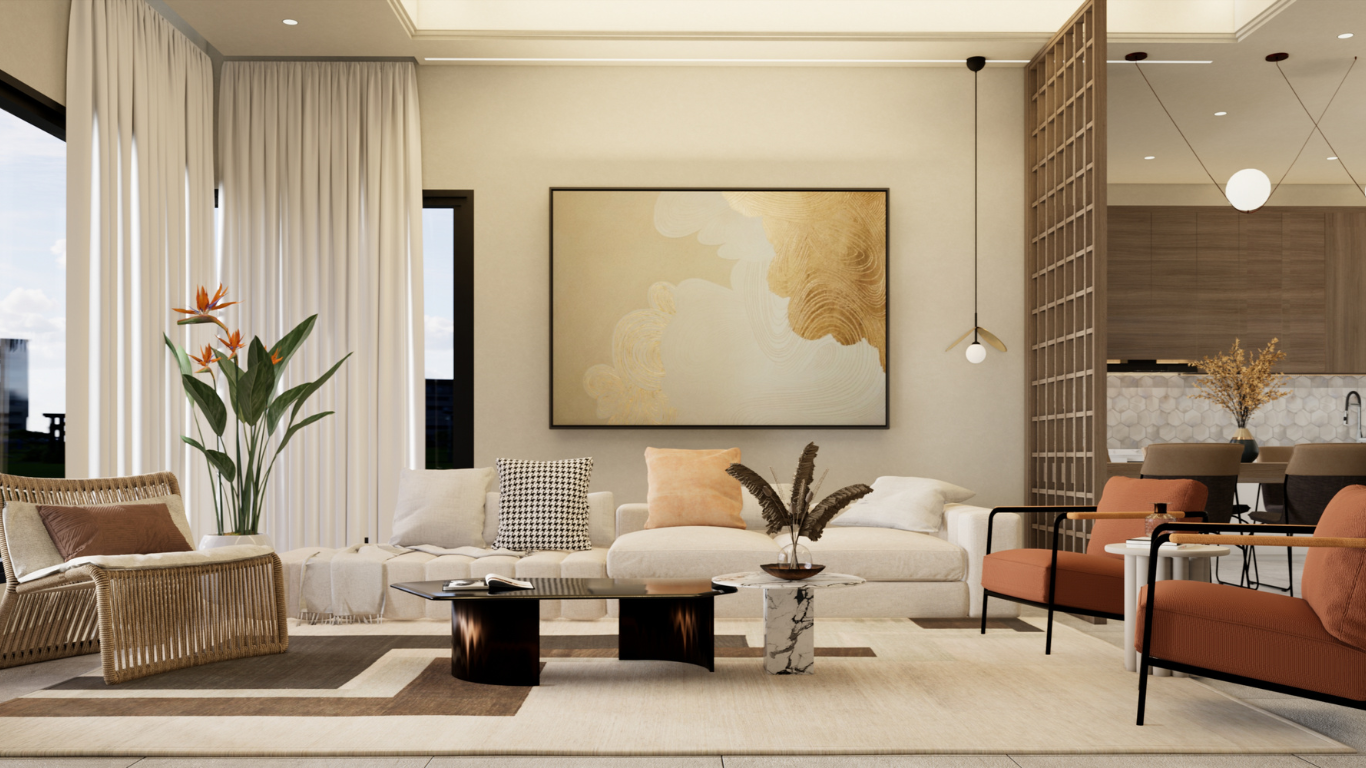
In the world of luxury interior design, creating a space of true beauty and refined function begins with uncovering your personal aesthetic. At Tower Design, we believe that a home should not only reflect timeless elegance and elevated taste—it should also speak intimately to the individuality of those who live in it. Whether you’re furnishing a new architectural masterpiece, restoring a historic estate, or modernizing a beloved family home, identifying your unique design style is a transformational first step.
A well-designed home is more than a showcase—it’s a narrative. It tells your story through curated materials, international influences, and intentional detail. With the guidance of a highly experienced and culturally attuned residential interior designer, from our full-service interior design firm, the process becomes an artful collaboration—tailored, elevated, and deeply personal.
Design styles are not rigid categories—they are fluid languages. Within each aesthetic, there are regional, ethnic, and international substyles that infuse personality and soul into a space. A modern home in Paris differs greatly from one in Tokyo. A minimalist Scottsdale retreat may weave in warm Moroccan plaster and Italian travertine, while a traditional San Francisco home might integrate French antiques and African sculpture.
Understanding style as a layered tapestry allows us to blend global inspirations in ways that feel seamless and sophisticated. This depth is what transforms a space from beautiful to unforgettable.
Traditional interiors embrace heritage—ornate millwork, richly grained woods, Persian rugs, and heirloom pieces. Influences span from British Colonial formality to the symmetry of French Neoclassicism or the earthy romance of Tuscan villas.
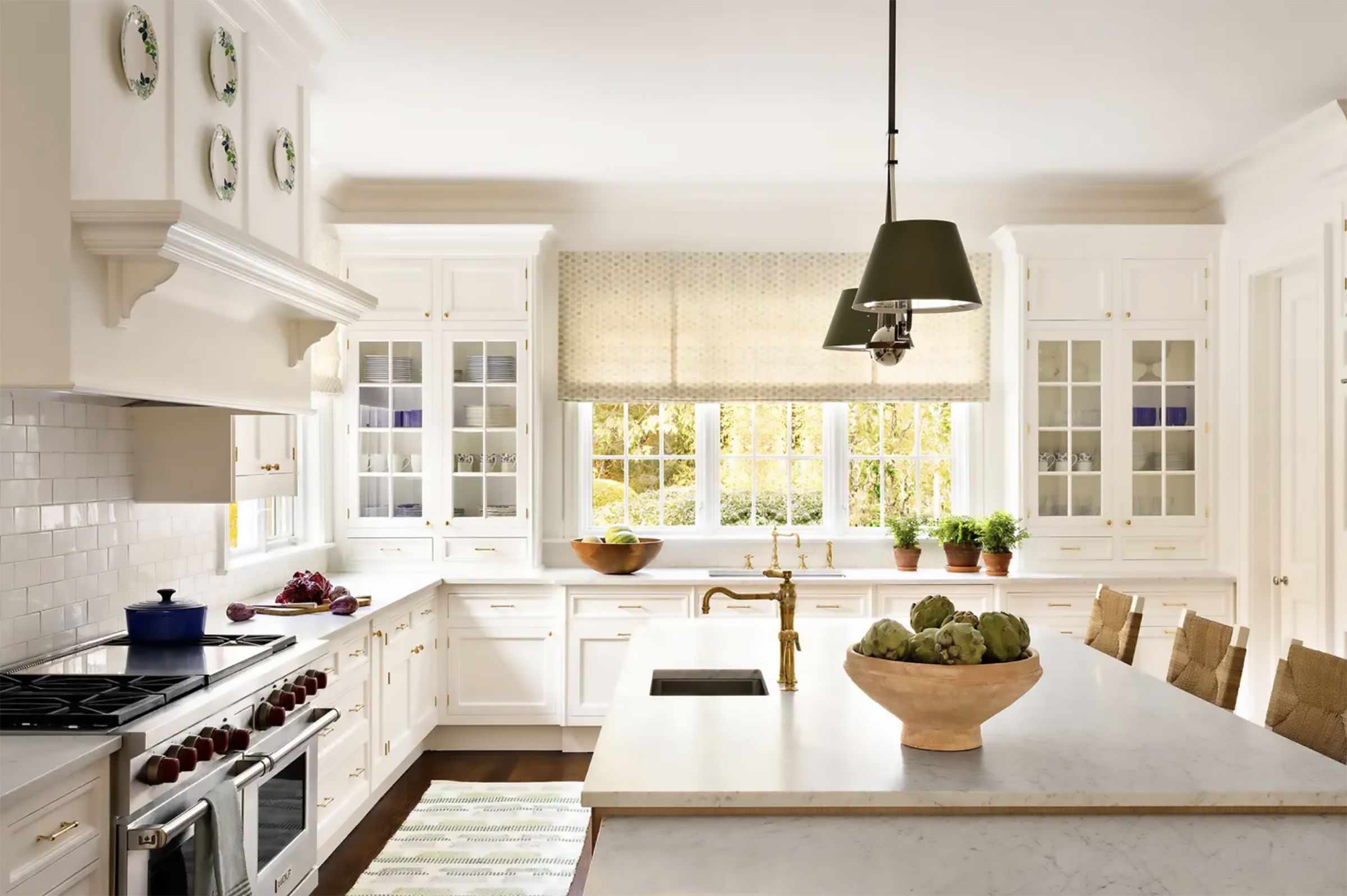
Modern design, by contrast, is rooted in restraint. Think Bauhaus clarity, Scandinavian lightness, or Japanese Zen minimalism. It’s architecture-led, with sleek profiles, natural light, and thoughtful negative space.
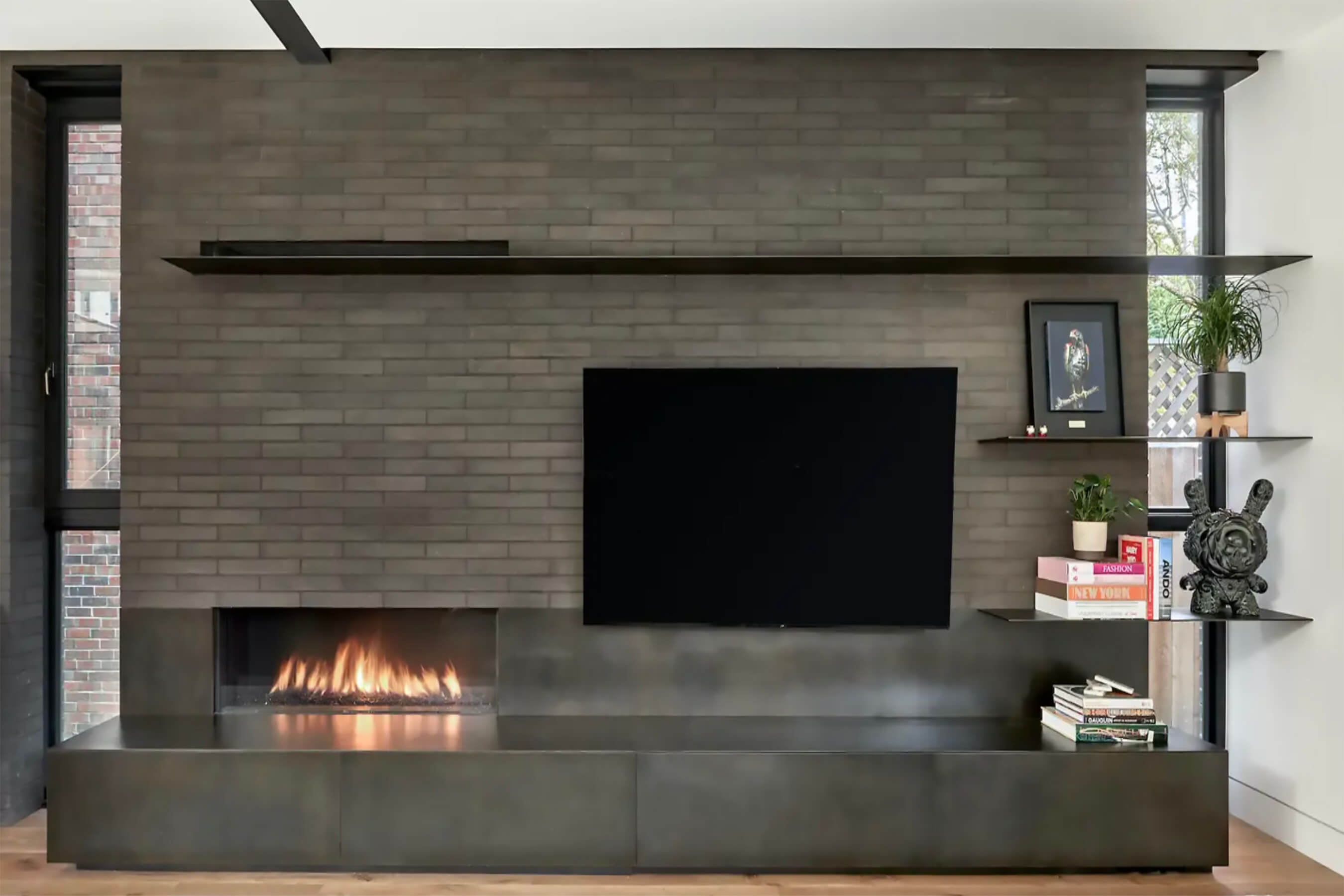
Minimalist design can be spiritual in its purity. Imagine Belgian linen, smooth stone, and wabi-sabi simplicity—every item chosen with purpose and calm.
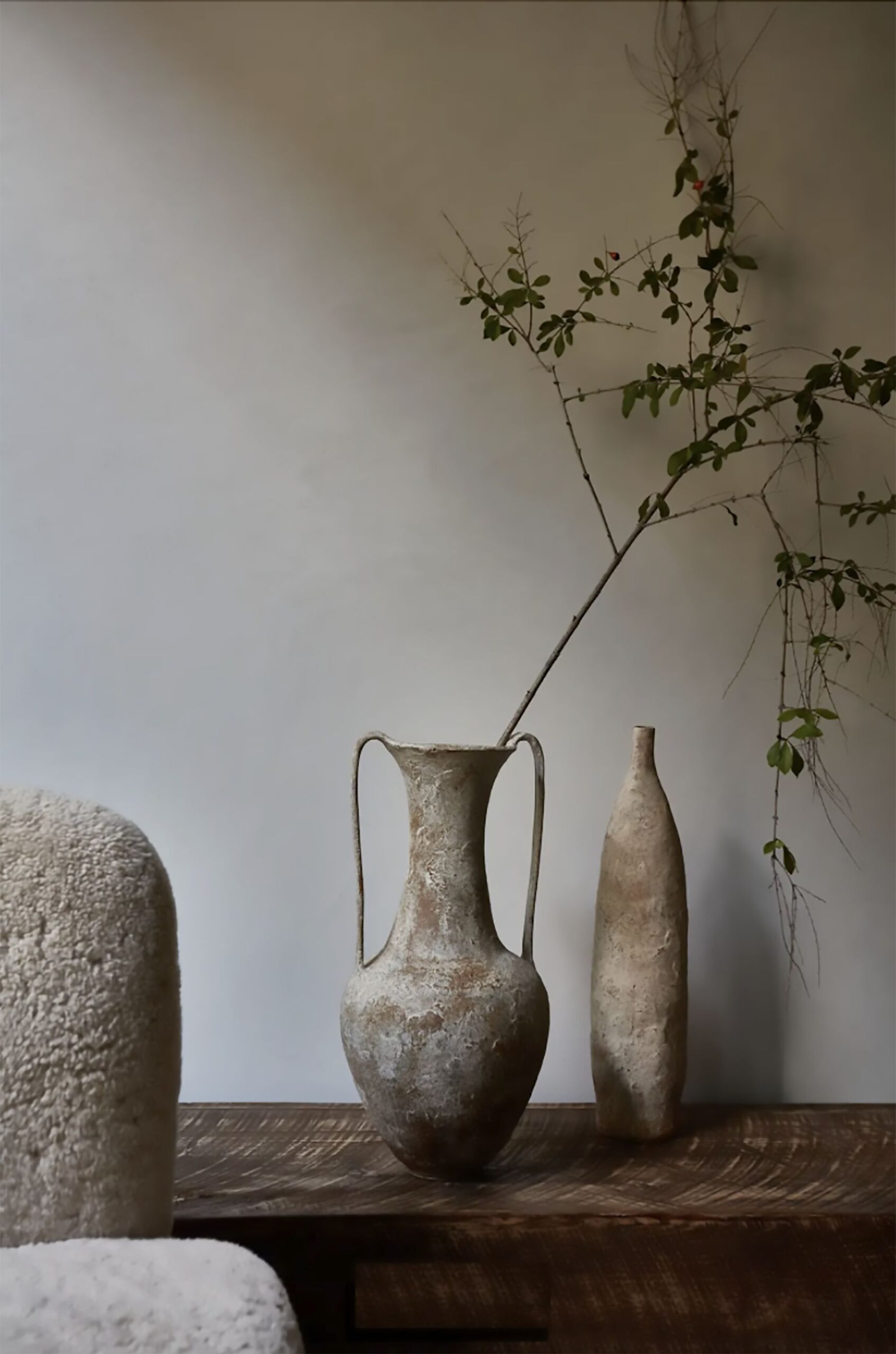
Maximalist interiors are a layered feast—Venetian mirrors next to bold African textiles, lacquered chinoiserie beside contemporary art. This style celebrates global travel and storied collections.
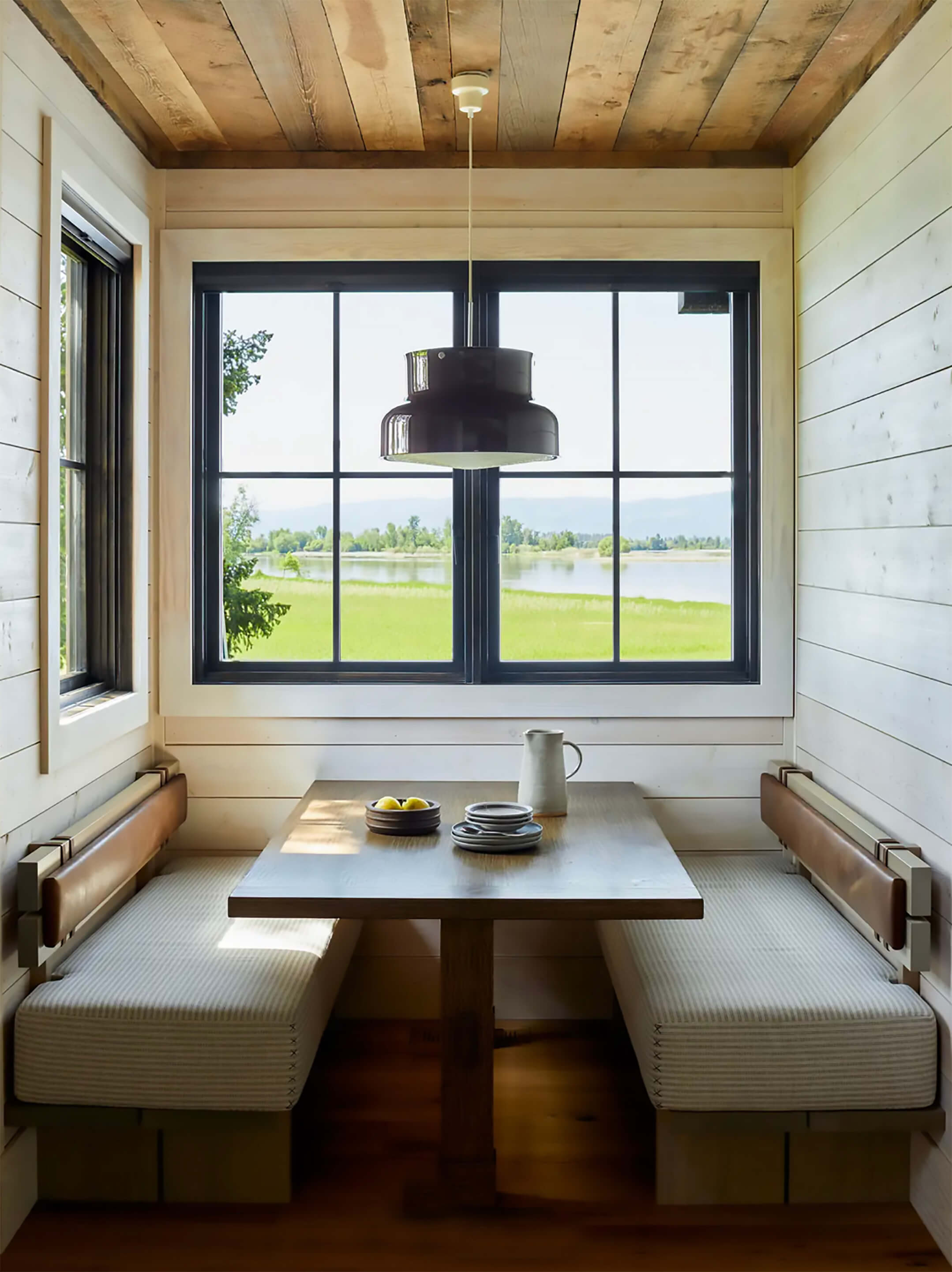
Rustic elegance might emerge as an Aspen lodge with Alpine timber, or as a desert hacienda adorned with Mexican tile and handwoven Zapotec rugs. An old west dude ranch with wagon wheels and leather sofas and an old stone fireplace might reflect your values. Be curious!
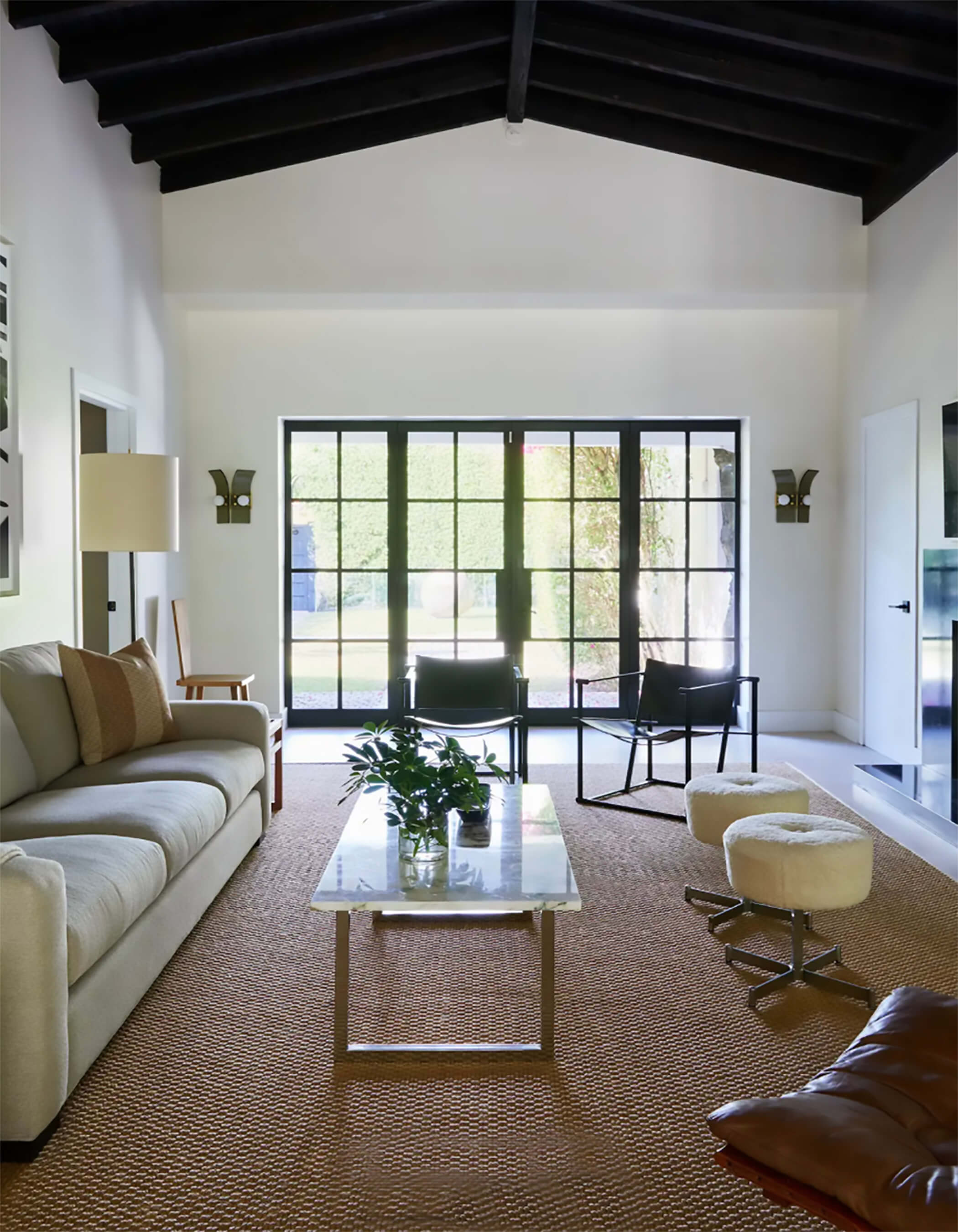
Contemporary is ever-evolving—sleek but not sterile. It may feature organic Brazilian modernism or the understated luxury of Nordic-Japanese fusion, grounded by innovation and comfort.
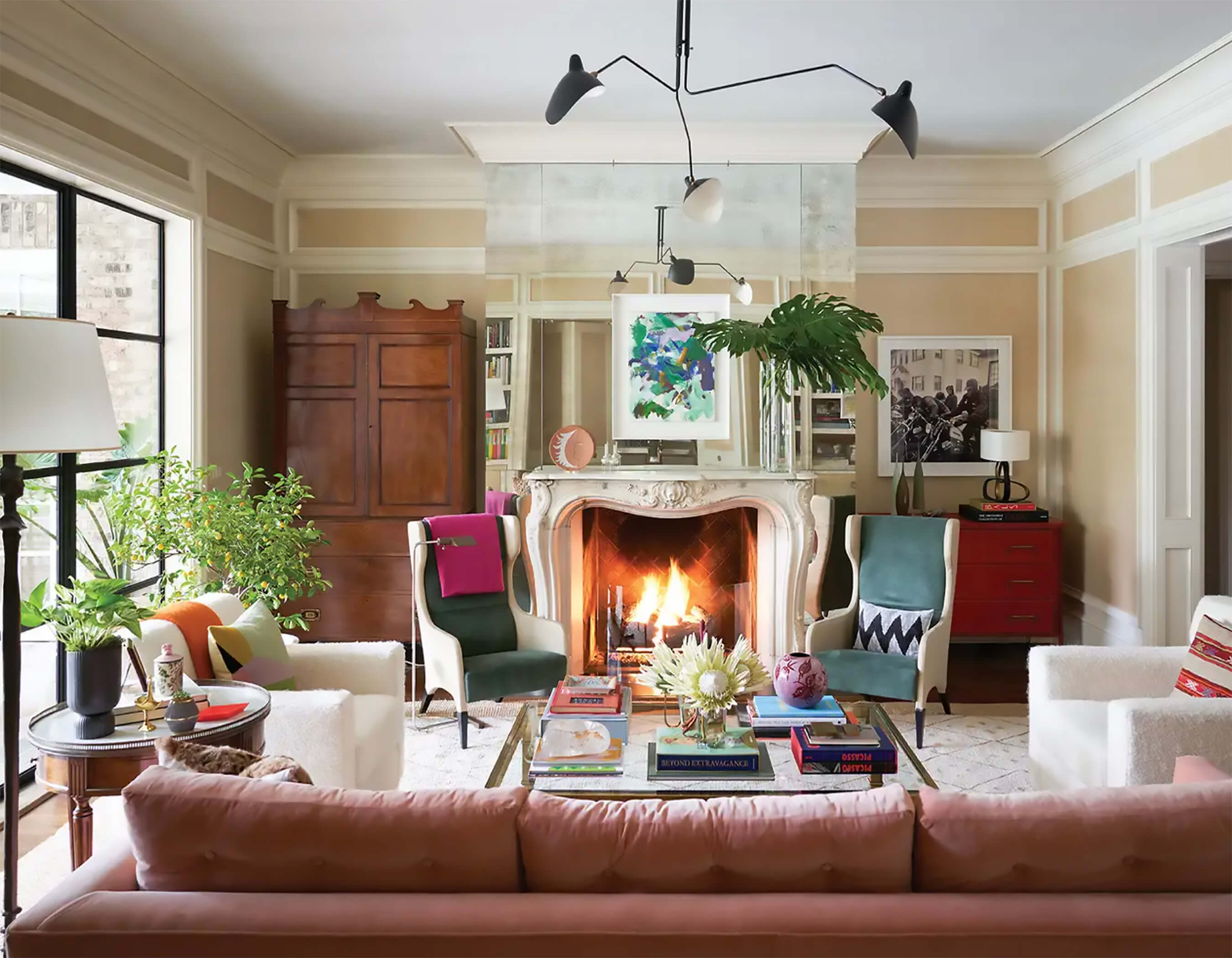
Eclectic doesn’t mean chaotic. Done expertly, it balances Balinese carvings with Art Deco light fixtures, or mixes mid-century Italian lighting with Navajo textiles—layered and curated, not random.
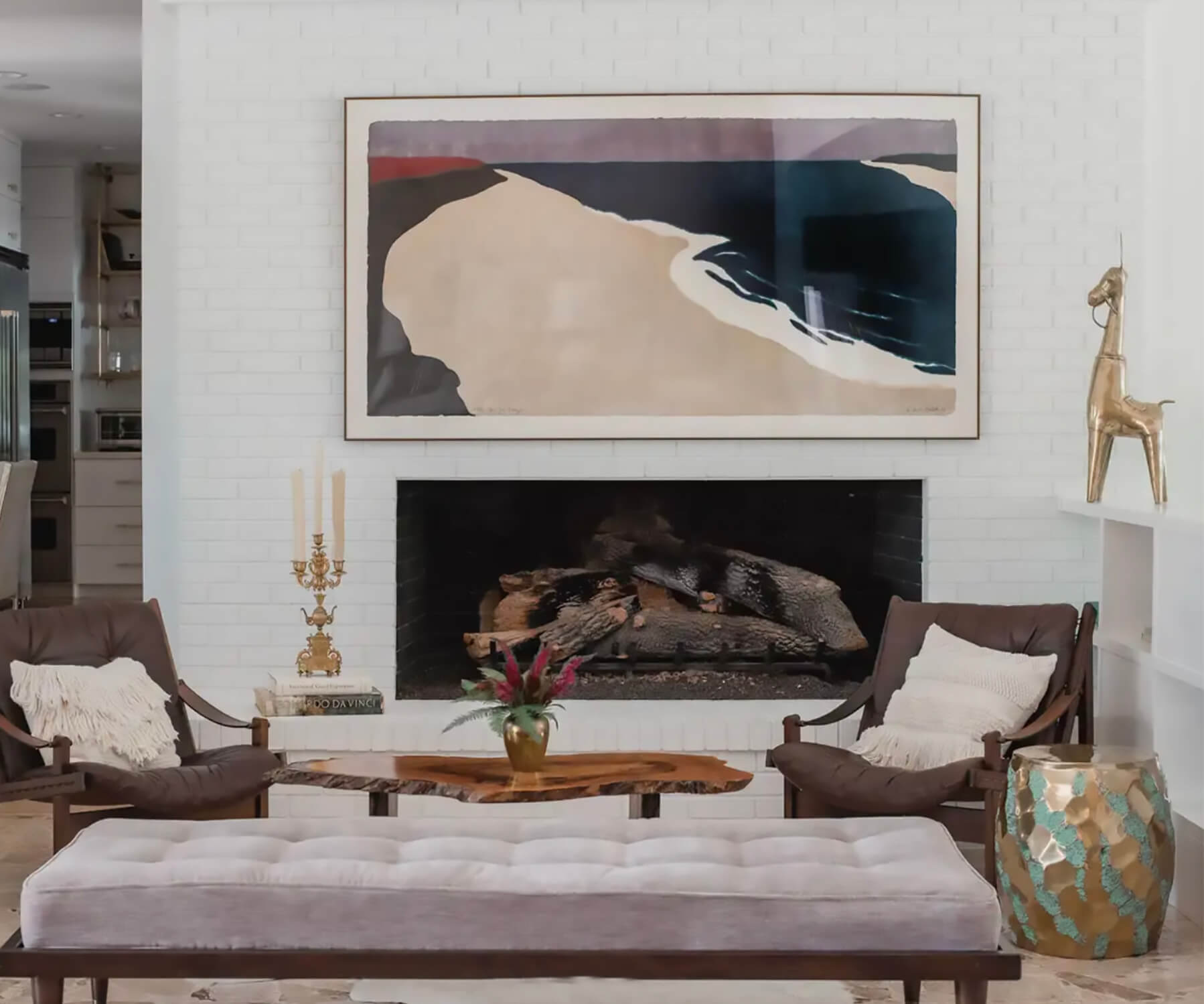
Cohesive design uses unifying motifs: tone-on-tone palettes, recurring silhouettes, or a singular architectural rhythm to bring serene continuity across diverse spaces.
Extravagant homes aren’t afraid to dazzle. Think Murano chandeliers, silk wallcoverings, or velvet-upholstered banquettes. This is designed as a celebration.
Subdued luxury whispers, it doesn’t shout. Belgian plaster walls, custom millwork, and bronze hardware—every detail exquisitely restrained.
Recommended for you: Interior Design with Summer Colors to Brighten Your Home
In luxury interiors, international influence is not a trend—it’s a legacy. At Tower Design, we expertly blend cultural motifs and artisanal craftsmanship into interiors that feel both curated and organic.
Incorporating styles that balance innovation with deeply rooted cultural artistry. Contemporary interiors reflect the now, shaped by global perspectives and personalized refinement. The goal is to translate these inspirations into a space that feels entirely yours—luxurious, layered, and livable.
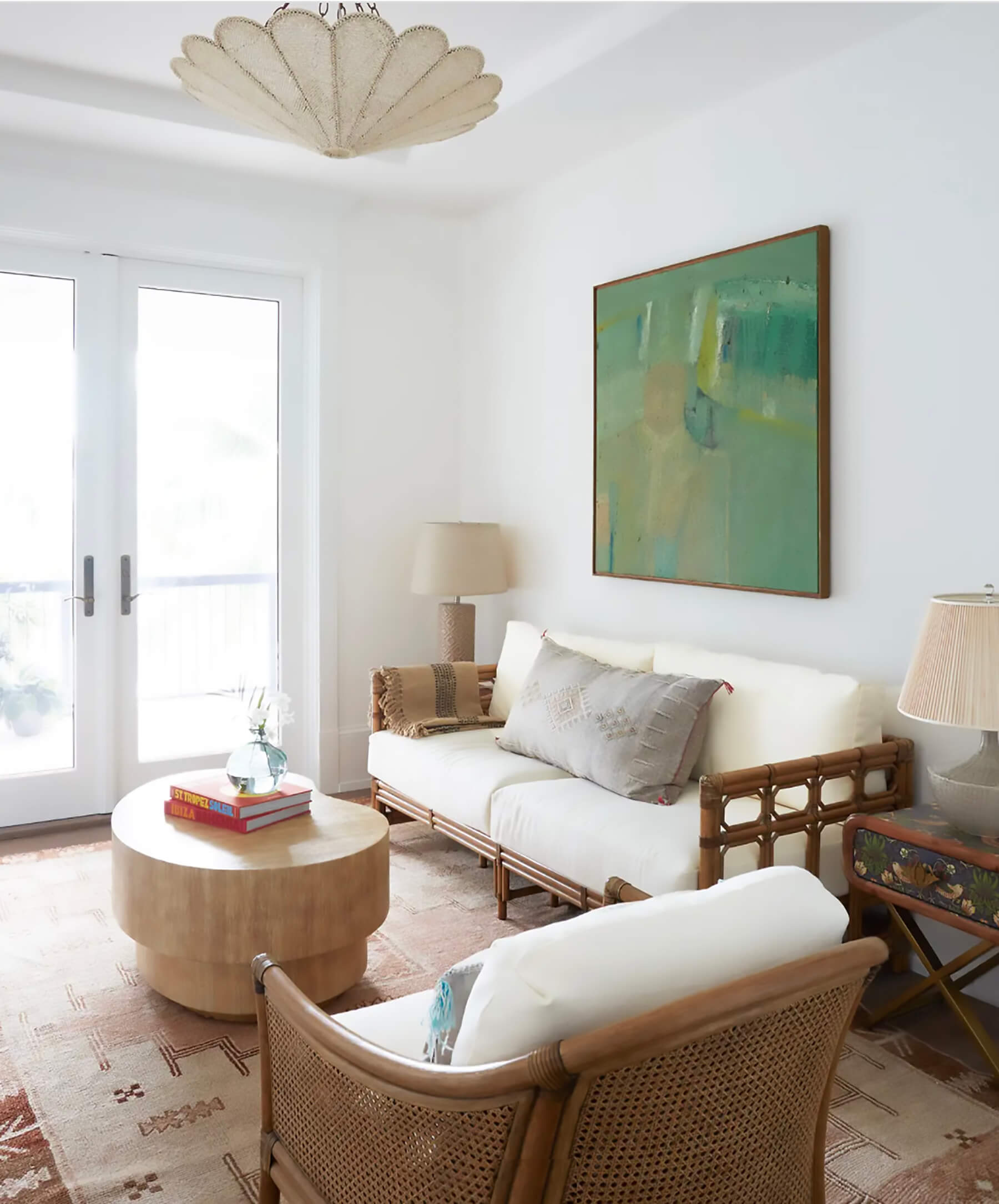
Layered interiors are the hallmark of luxury. Here’s how we seamlessly blend aesthetics:
Each blend tells a story of place, purpose, and personality.
Furniture:
Invest in form and comfort. Think custom cabinetry, heirloom-quality upholstery, and iconic designer pieces with enduring appeal.
Color Palette:
Refined palettes draw from nature and art. Muted ochres, inky blues, desert neutrals, or jewel-toned velvets—each shade selected with intention and restraint.
Materials:
Marble, zellige tile, patinated metals, antique mirror—luxury is in the detail. We select materials not just for beauty but for longevity and legacy.
Accessories:
A curated space may feature a single monumental sculpture or a grouping of antique vessels—never cluttered, always collected. Every object should add story, not noise.
Your home should not only reflect who you are—it should inspire who you wish to become. At Tower Design, we don’t impose a signature style. Instead, we extract and elevate yours. With nuanced global knowledge, a command of materials, and a refined aesthetic sensibility, we create bespoke environments that are as livable as they are extraordinary.
Let your home be your canvas.
Even if you’re not a designer, there are simple ways to pinpoint your unique style. Follow these steps to uncover what works best for you:
Think about the colors, materials, and furniture styles you naturally gravitate toward. Are you drawn to light and airy spaces or rich and moody tones? Recall homes, hotels, or spaces you’ve admired in person or online—what did you love about them?
Design should support how you live. Do you need a kid-friendly layout? A serene space to unwind after work? Or a vibrant area for entertaining guests? Your lifestyle should inform your design choices as much as your taste does.
Use platforms like Pinterest or Canva to compile images, color palettes, and materials that inspire you. Seeing everything visually in one place helps identify patterns and preferences more clearly.
Online quizzes from trusted design platforms like Modsy, Havenly, or Houzz can give you a general idea of your dominant design style. While not definitive, they’re a fun and helpful starting point.
If you're feeling overwhelmed, an interior designer can bring clarity and vision. They can help you refine your ideas, source materials, and execute your dream space—whether you're furnishing a studio apartment or redesigning your entire home.
Don’t feel restricted to just one design category. Many people find themselves resonating with more than one aesthetic. In fact, blending styles can result in a more unique and personally meaningful space.
Blending styles works best when you’re intentional. Aim for contrast that complements, not clashes.
Once you’ve identified your style (or combination of styles), you’ll find it easier to make smart design decisions. Here are key areas to focus on:
Choose furniture that aligns with both your aesthetic and practical needs. A modern home may call for streamlined sectionals, while a traditional space might look best with curved sofas or tufted armchairs.
Your chosen style often informs your color scheme. Traditional styles embrace deep reds, golds, and creams, while minimalist and modern interiors lean toward whites, grays, and soft neutrals. Don’t forget accent colors to bring life to the space.
Rustic design favors organic textures—wood, leather, linen—whereas contemporary or modern designs may use metal, glass, or lacquered finishes. Choose materials that support your chosen vibe and suit your lifestyle.
Accessories are the finishing touch. Whether it's oversized art in a modern home or layered textiles in a boho-inspired space, your decor should enhance your chosen theme. Be mindful of scale, placement, and variety to keep the look polished.
Related post: Top 10 Home Renovation Tips for a Stylish Upgrade
Your home should feel like an extension of you—comfortable, functional, and inspiring. There’s no right or wrong style, only what feels authentic to your personality and the way you live.By understanding the nuances of different design styles and reflecting on your lifestyle needs, our Interior Design Services help you create a space that brings joy, beauty, and purpose into your everyday life.
Identifying your style ensures that your space reflects your personality, lifestyle, and preferences. It helps you make more confident decisions when choosing furniture, colors, and décor, saving time, money, and stress.
Yes, blending styles is common and can create a unique, personalized space. The key is to maintain balance through a consistent color palette, materials, or visual rhythm to keep the look cohesive.
Modern design refers to a specific mid-20th century style focused on clean lines and functionality. Contemporary design is ever-evolving and reflects current trends, often blending elements from various styles.
Minimalists prefer clean, uncluttered spaces with neutral tones and essential pieces. Maximalists enjoy bold colors, patterns, and layered decor. Reflect on what environments make you feel calm, inspired, or energized.
Stick to a unified color palette or a few repeating design elements (like wood tones or shapes). This will help create flow while still allowing for creative and diverse expressions.